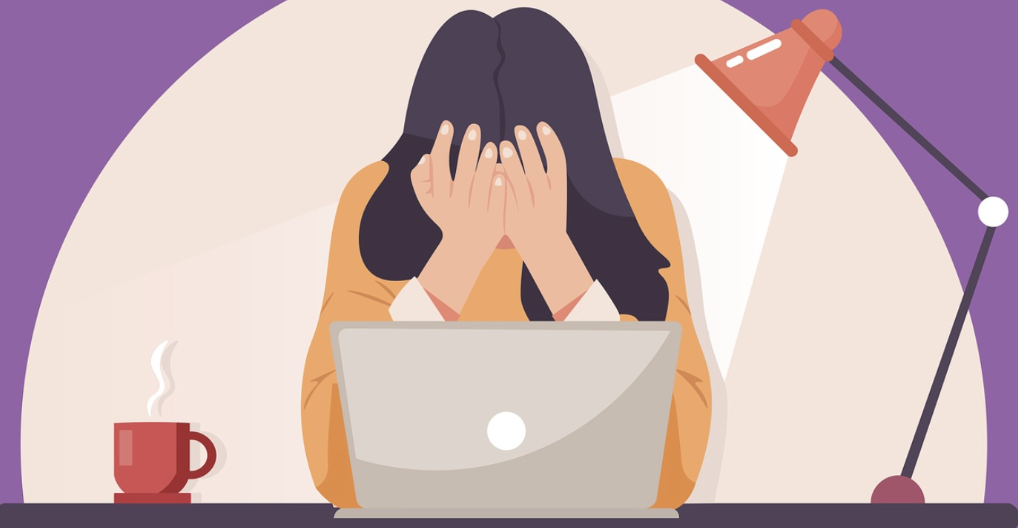
Seasonal Affective Disorder, or SAD, is a seasonal depression that typically arises in the colder months of the year and takes a big toll on many students’ mental health at 3140 as the seasons change.
There are two types of SAD: Fall-onset, also known as winter depression, which begins in the late fall to early winter season. Spring-onset is a rarer form of SAD that starts in the late spring to early summer season. As November nears, Daylight Saving Time approaches, which calls for shorter days and longer hours of darkness for the remainder of the year.
Although there are no confirmed causes of SAD, shorter days and the amount of sunlight are believed to be a huge part of it. Darkness and exposure to less sunlight cause a chemical change in the brain, according to John Hopkins Medicine. The body naturally makes a sleep-related hormone called melatonin, which is the main contributor to our feelings of exhaustion. When it becomes darker earlier, like in the fall and winter seasons, we produce more melatonin, so we begin to feel even more tired throughout the day.
“I always feel more exhausted after Daylight Saving Time hits. It has an effect on my performance in school because I’m less motivated to complete my work. It’s definitely a big adjustment,” Akshita Alladi ‘27 said.
Some common symptoms of Seasonal Affective Disorder include excessive fatigue, withdrawal from social interaction, increased levels of anxiety, and a loss of interest in physical activity.
These feelings of exhaustion and social withdrawal can lead students to feel unmotivated to keep up with schoolwork or focus well in class. Students who are also involved in extracurricular activities may also be severely affected by this, as it can take a toll on their performance or interest in it.
There are plenty of effective ways to treat SAD. Exposure to sunlight can be beneficial to our body’s health, but also our mental well-being. It relieves these symptoms and refreshes them with happiness and an overall lifted mood. Other helpful tips to ease SAD is to implement lots of exercise and physical activity into your routine, or eat healthy with well-balanced meals.
“Sports help me clear my mind. And when I eat healthy, I feel more energized and overall happier throughout the day,” Hadley LaPlante ‘28 said.
The effects of seasonal affective disorder can become a mental battle for Bears, but it’s not an eternal dark hole. With the right tools and positive reinforcement, you can push past these feelings and, instead, focus on a holiday season filled with gratitude and joy.