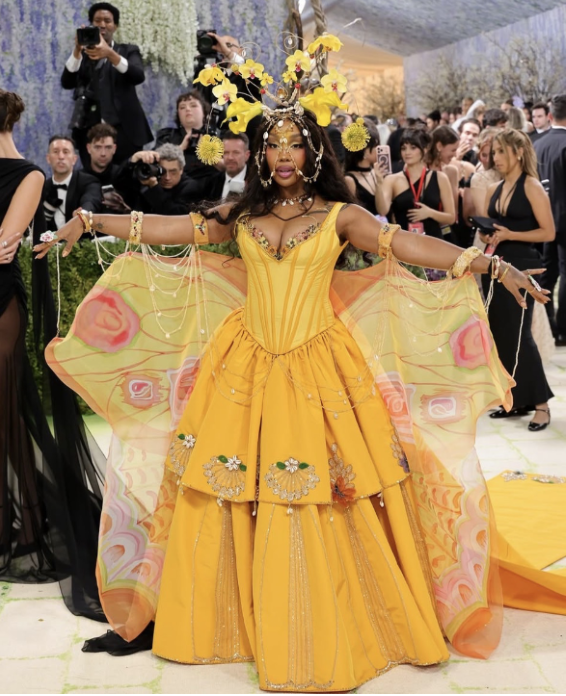

In the late 90s and early 2000s, fashion and technology were characterized by sleek but striking designs and shapes while music contained futuristic sounds and themes. Imagination created hope for a future of creative advancement and expansion.
However, the future that society once dreamed of has yet to come. In today’s landscape, the younger generation seemingly wants to revert to a period before current technological developments. For many young people, it’s a time before they were even born. Why do we yearn for both a past and a future that we’ll never get the chance to experience?
Spiky hairstyles and physical media have made a reappearance in popular culture as young people embrace the themes of glossy ads and software interfaces developed before their births. The resurgence of disposable cameras ties young people to a sense of reminiscence for a seemingly more simple time.
The 90s and 2000s idea of future technology and the current nostalgia for experiences older than ourselves ultimately stem from the same human sentiment: idealism lets us escape our pressures.
When people feel overwhelmed by current struggles, they look back to experiences never lived through in which the future seems clear. This type of nostalgia is known as anemoia, according to the National Library of Medicine. In this case, the anemoia centers on a technological vision of tomorrow that once felt within reach.
The failure of that vision does not stem from a lack of innovation. Advances in artificial intelligence and global information and communication technology exceed what most people expected at the time. However, those gains come with effects that early optimism did not predict.
Identity theft and unstable data security create doubts and uncertainty for the future ahead. Instead of an increase in creative outlets, generative Al limits genuine human expression. Expanded access to social media in teens results in increased insecurity and weak constitutions. Roughly 20 percent of teens report that social media usage hurts their mental health and grades, according to the Pew Research Center.
The desire to embrace old visions of the future also coincides with the inevitable transition from childhood to adulthood. As technology continues to modify creative expression and disrupt existing structures of normalcy, young people enter the workforce without confidence in the future. While we approach a world of instability and uncertainty, it may be easier to lean on a future we once knew.